← Best Hiking Trails in the World: Ultimate Bucket List for Outdoor Adventurers My Favorite Wine Regions in Europe: A Journey Through the Continent's Best Bottles →
Asia is a continent that speaks through its food. From the bustling night markets of Taipei to the fragrant spice bazaars of Bangkok, every destination tells a story that begins and ends at the dining table. Food tourism in Asia is not just about satisfying hunger — it is about connecting with culture, history, and the warmth of local communities. Whether you are slurping hand-pulled noodles in a narrow alley of Xi'an or savoring freshly steamed dim sum in Hong Kong, the experience stays with you long after the last bite. This guide will take you through the rich, layered world of Asian food tourism, where every meal is an adventure waiting to be discovered.
Supporting Local Food Systems: The Heart of Authentic Asian Cuisine
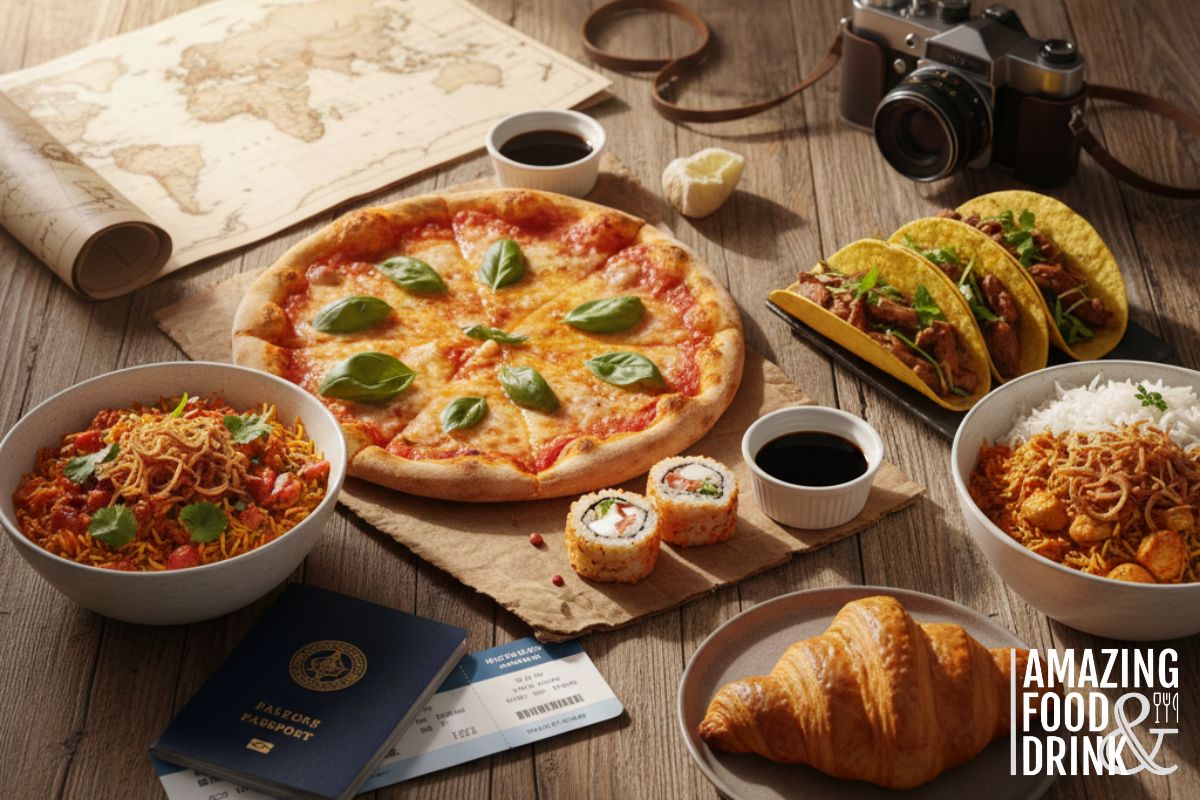
One of the most rewarding aspects of food tourism in Asia is the deep connection between local communities and what lands on your plate. Across rural villages in Vietnam, family-run warungs in Bali, and organic farms in Japan's countryside, local food systems form the backbone of authentic culinary experiences. When travelers choose to eat at small community-based establishments rather than international chains, they directly support farmers, fishers, and home cooks who have preserved traditional recipes for generations. Farm-to-table is not a trend here — it is a way of life. Visiting local wet markets at dawn, watching vendors arrange towers of tropical fruit, or joining a grandmother as she grinds fresh spice paste for a morning curry are experiences that no five-star restaurant can replicate. Sustainable food tourism encourages travelers to be intentional about where they eat, choosing spots that source locally keep culinary traditions alive. This kind of mindful eating creates a richer travel experience while helping preserve the cultural identity of each destination.
The World's Best Food Destinations Are Found Asia
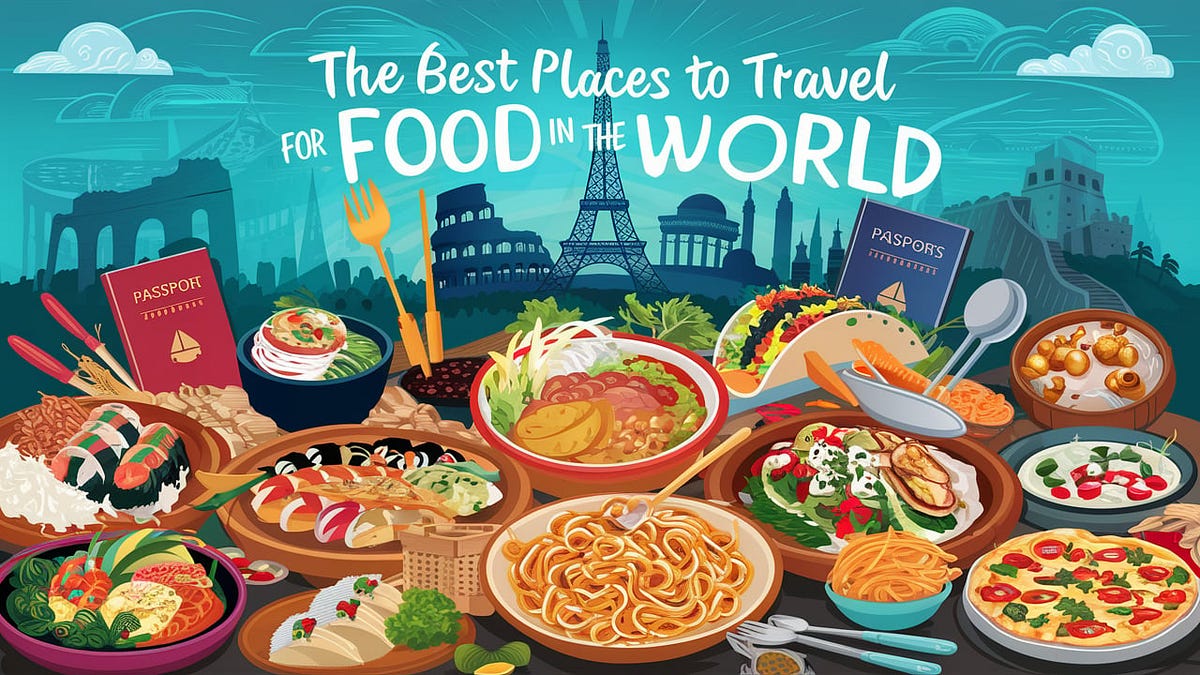
When lovers rank the world's topinary destinations, Asian cities consistently claim the most coveted spots. Tokyo holds more Michelin stars than any other city on planet, yet its most beloved meals are often found in tiny ramen shops that seat fewer than ten people. Penang in Malaysia is celebrated for its Nyonya cuisine, a beautiful fusion of Chinese and Malay cooking traditions that reflects centuries of cultural exchange. Bangkok offers an overwhelming sensory experience where street food stalls line every corner, serving pad thai, green papaya salad, and grilled satay at prices that make eating out multiple times a day entirely practical. Seoul's food scene blends ancient fermentation traditions — think kimchi and doenjang — with a modern dining culture that has taken the global stage by storm. Beyond famous capitals, smaller destinations like Hoi An in Vietnam, Chengdu in China, and Osaka in Japan have built entire tourism identities around their food. Each city invites travelers to slow down, pull up a plastic stool, and eat like a local. Asia's culinary map is vast and endlessly surprising, making it the ultimate destination for anyone who believes that travel tastes best when it starts with a full bowl.
Food Travel Brochure Sardinian Travel Guide & Cookbook Food
Food Travel Brochure Sardinian Travel Guide & Cookbook Food
Food Tourism Guide – Food Tourism And Regional Development: – VQTZLH
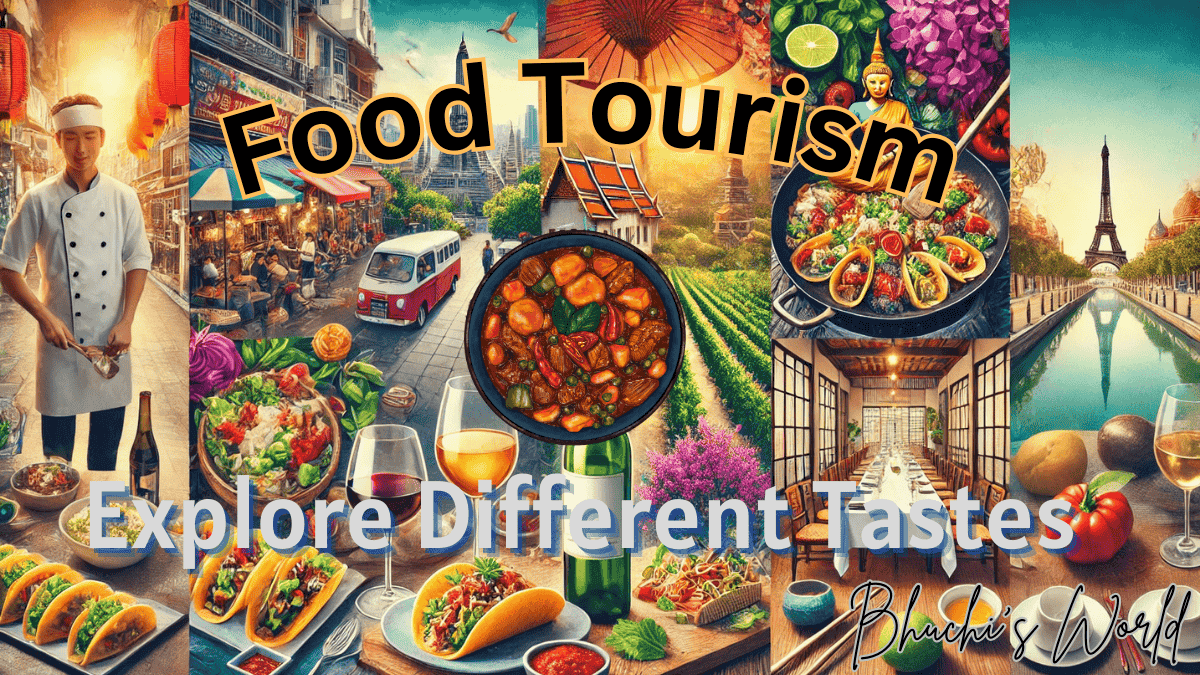
Food Tourism Guide – Food tourism and regional development: – VQTZLH
Food Tourism Design Guide | S2 Architects
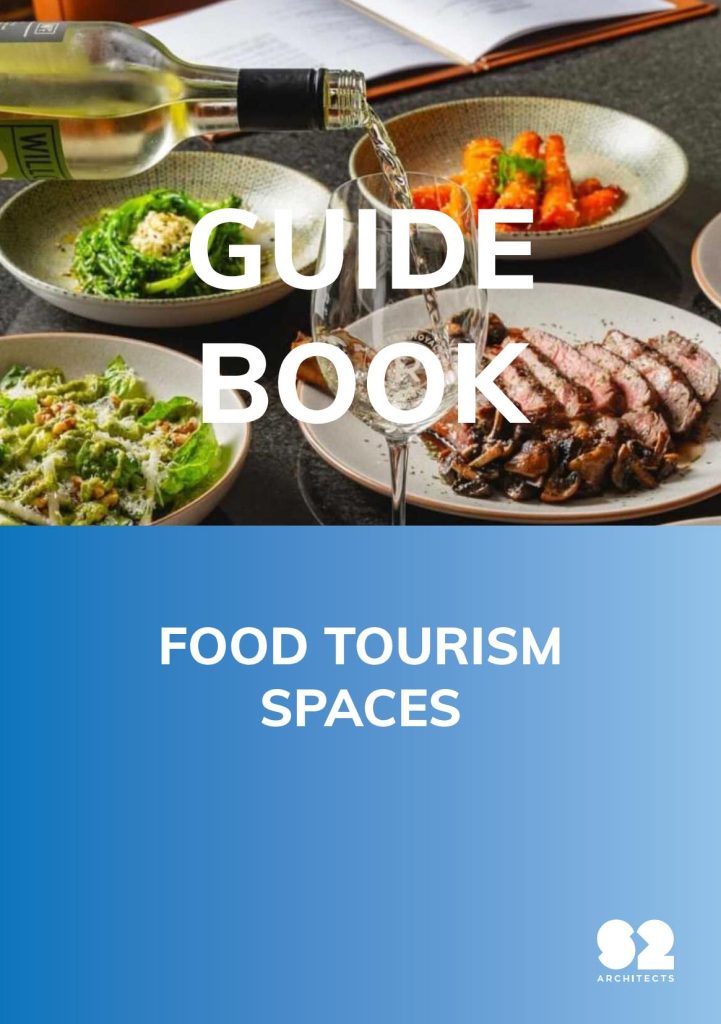
Food Tourism Design Guide | S2 Architects